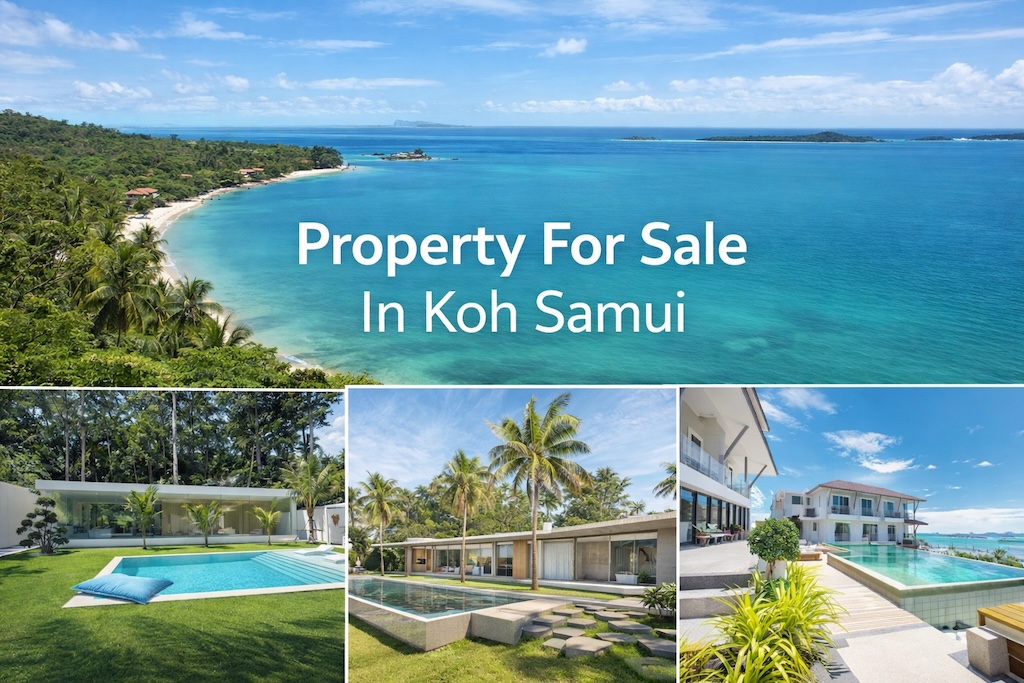
Property For Sale In Koh Samui: Your Essential Guide to Buying Paradise Real Estate
Koh Samui property for sale has experienced consistent growth, with prices seeing a 5 to 10 percent year-on-year increase since 2016. The island has become the second most developed destination in Thailand for real estate, attracting upmarket buyers and investors. Villas dominate the market, accounting for around 90% of available listings, with property for sale in Koh Samui ranging from freehold condos to beachfront houses and land for sale Koh Samui investors seek. This guide walks you through everything you need to know about navigating Koh Samui real estate, from understanding property types and prime locations to ownership structures and the complete purchasing process.
Understanding Koh Samui Property for Sale: Types and Price Ranges
Property options span multiple categories, each serving different buyer preferences and budgets. The island’s unique development regulations have shaped a market where villas outnumber high-rise developments, creating distinct pricing structures across residential categories.
Villas for Sale Koh Samui: From Budget to Luxury
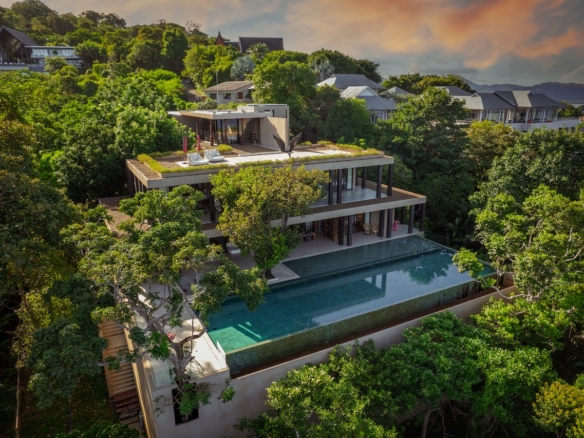
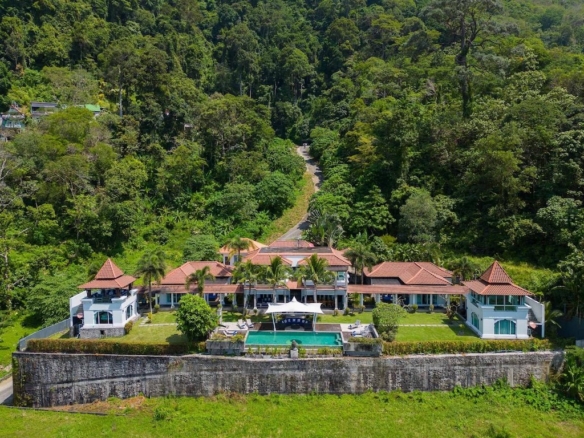
Entry-level villas for sale Koh Samui start from 5 million THB, occasionally including private pools despite the modest price point. These properties typically operate under leasehold arrangements with 30-year terms. Between 6 to 15 million THB, buyers find well-designed garden villas featuring Bali-style or contemporary architecture. The 10 to 15 million THB band represents the most common price tier, accounting for 23.2% of villa listings.
Sea-view properties become accessible around 15 million THB and above, though many marketed with this designation offer only partial or distant ocean glimpses. The median listing price for villas and houses sits at 17.2 million THB, while the average reaches 30.5 million THB. This gap exists due to ultra-luxury estates priced between 200 to 400 million THB that skew the mean upward despite representing minimal inventory.
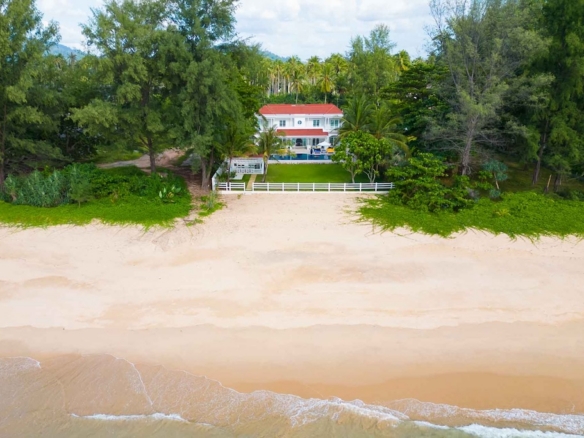
Absolute beachfront villas command significant premiums, with starting prices around 60 million THB. Top-tier properties range between 8 to 10 million USD, positioning Koh Samui real estate below Phuket’s ultra-prime segment where homes exceed 20 million USD.
Condos and Apartments: Freehold Options
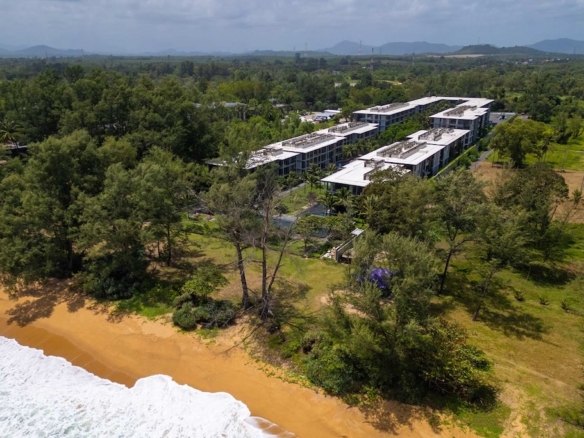
Freehold condominium ownership remains available to foreign buyers, with over 129 projects offering direct ownership structures. The median list price for condos stands at 3.88 million THB, with price per square meter averaging 61,884 THB. Mainstream asking prices range from 60,000 to 80,000 THB per square meter, while premium beachfront developments command over 200,000 THB per square meter.
A one-bedroom condo typically costs around 3.5 million THB, whereas two-bedroom units average 7.2 million THB. The 0 to 5 million THB bracket dominates apartment inventory, representing 48.39% of available listings. Beyond 10 million THB, condo availability drops sharply, with only 13.98% of listings exceeding this threshold.
The active pipeline includes 876 condominium units valued at 3.66 billion THB, concentrated in Chaweng, Bophut, and Lamai beachfront zones.
Houses for Sale in Koh Samui: What to Expect
Houses blend characteristics of villas and traditional Thai homes. Construction costs for building range from 15,000 to 45,000 THB per square meter, influenced by location proximity to tourist areas and material selections. The average listing price for houses reaches 38.97 million THB, though this figure encompasses both standalone houses and villa-style residences within the broader residential category.
Land for Sale Koh Samui: Investment Opportunities
Land for sale Koh Samui uses the Thai measurement system based on rai (1,600 square meters), ngan (400 square meters), and talang ngan (4 square meters). Prime beachfront plots in Chaweng, Bophut, and Lamai command 60 to 180 million THB per rai. Inland or or sea-view parcels offer more accessible entry points at 8 to 25 million THB per rai.
Annual appreciation rates for high-demand zones match villa growth at 5 to 10 percent, driven by the island’s constrained supply. Available plots range from flat coconut grove land to hillside sea-view parcels, with zoning laws and environmental regulations determining permitted construction parameters.
Best Locations to Buy Koh Samui Real Estate
Location determines both lifestyle and investment returns when searching for property for sale in Koh Samui. Each coastal zone attracts distinct buyer segments, from high-yield rental investors to families seeking permanent residence.
Chaweng and Chaweng Noi: Tourist Hub Properties
Chaweng stands as the island’s most developed area, offering vibrant nightlife, luxury shopping, and immediate airport access. Properties here command high rental returns due to constant tourism demand. Villas for sale Koh Samui in this zone attract investors focused on occupancy rates rather than quiet residential living. The central location provides beaches, shopping centers, hospitals, and a wide range of property prices.
Chaweng Noi presents a contrasting option within the same district. This exclusive enclave prioritizes privacy over entertainment, deliberately limiting urbanization to preserve natural beauty. The area focuses on beachside villas and resorts with eco-friendly designs, attracting families and those seeking seclusion. Proximity to international schools including Greenacre, St. Joseph, and PBISS British International School makes Chaweng Noi suitable for long-term family residence.
Bophut and Plai Laem: Family-Friendly Areas
Bophut ranks as one of the most sought-after areas for international buyers, particularly around Fisherman’s Village. The neighborhood balances traditional Thai culture with modern amenities, featuring upscale dining, boutiques, and weekly night markets. High demand exists for sea view and pool villas, supported by strong short-term and long-term rental markets. The hillside north of Bophut offers panoramic views toward Koh Phangan, while flatter interior zones provide more modest garden villas.
Plai Laem delivers hillside elegance with unbeatable ocean views near the Big Buddha. This northeastern area maintains more wilderness character with less development, resulting in more affordable beachfront options compared to other zones. The 2.5-kilometer Plai Laem Beach features shallow waters and coral thickets, attracting couples and short-term rental hosts seeking scenic settings.
Lamai: Second Most Popular Location
Lamai offers a quieter alternative to Chaweng while maintaining strong rental appeal. This crescent-shaped beach stretches over 4 kilometers, housing the famous Hin Ta and Hin Yai rocks. The area attracts digital nomads and lifestyle buyers with wellness centers, yoga studios, and ocean-facing villas. Affordable beachfront land still exists in Lamai, with median condo prices at 4,473,977 THB. The central stretch provides water sports including jet skiing and parasailing, while the northern end offers calmer, family-friendly conditions.
Maenam and Bang Por: Peaceful Beachfront Living
Maenam provides tranquil, palm-fringed beaches ideal for families and long-term expats. The area offers good value for land and villas compared to Bophut and Chaweng, with growing demand from permanent residents. Bang Por extends this peaceful atmosphere along the northwest coast, often overlooked despite stunning sunsets and sea-view villas. Properties here remain competitively priced, with median sales prices around 20,427,680 THB. The area sits within 20-25 minutes of Bophut and Chaweng while maintaining seclusion.
West Coast Options: Lipa Noi and Taling Ngam
Lipa Noi features flat lands and calm waters perfect for families seeking slower-paced living. This undiscovered zone offers modern amenities without tourist crowds, positioning it as ideal for raising children. Taling Ngam serves nature lovers and wellness retreat creators on the west coast. Both areas provide sunset views and natural surroundings favored by high-end buyers developing holistic properties.
Why Invest in Koh Samui Property for Sale
Multiple factors position Koh Samui as a compelling destination for investors seeking both lifestyle assets and financial returns. The island’s market dynamics differ from other Thai resort destinations, combining natural scarcity with sustained demand growth.
Strong Tourism and Lifestyle Buyer Market
The island welcomed 2.78 million passengers in 2024, with momentum continuing into 2025 as 1.13 million arrivals were recorded from January to April alone, representing a 9 percent year-over-year increase. Airport arrivals recovered to 94 percent of 2019 levels, while hotel guest registrations surpassed pre-pandemic figures by 1.5 times. This rebound attracts high-net-worth individuals, second-home buyers, expats, and lifestyle-driven investors who dominate the market.
Foreign buyers typically purchase properties with cash, given that non-Thai nationals cannot access local mortgage financing. By the same token, Thai investors also tend toward cash purchases and skew heavily toward the luxury sector. The island attracts a more affluent visitor base than Phuket or Pattaya, with an average length of stay of 4.6 nights. Buyers from Europe, Hong Kong, and Australia increasingly view Koh Samui property for sale as offering superior value compared to markets where they’ve been priced out.
Limited Supply and Development Restrictions
Stringent building and zoning laws protect the island’s natural landscape, preventing the urban sprawl seen elsewhere. The local government enforces a strict building height limit of 12 meters, preserving the tropical character while supporting long-term property values by preventing overdevelopment. These regulations effectively channel foreign investment into detached, private pool villas rather than high-density projects.
On account of Bangkok Airways’ control of Samui Airport, a natural access gate limits visitor volume, which protects property scarcity and supports premium pricing. Restrictions on condominium developments make them increasingly rare, leading to higher demand for luxury villas and beachfront properties.
Growing Infrastructure and Amenities
Samui International Airport is set for major expansion beginning in 2025, with construction continuing through 2027 to handle Airbus A320 aircraft and increase passenger capacity to 6 million per year. In 2025, a new underwater pipeline connecting Samui with Nakhon Si Thammarat province was commissioned, delivering up to 24,000 cubic meters of fresh water daily to ensure reliable supply during peak tourist seasons.
A new international cruise terminal is scheduled for completion by 2032, while a proposed bridge to the mainland backed by the Expressway Authority of Thailand would span approximately 25 kilometers, with construction expected to begin in 2029 and opening targeted for 2033. The municipality has allocated over 30 million baht for transportation improvements, drainage systems, solar power generation, and community health infrastructure.
Property Value Appreciation Trends
The total primary residential market value hits THB 30.3 billion (USD 822 million) according to recent market reviews. Well-located, professionally managed luxury villas in prime areas consistently deliver gross rental yields between 7 and 12 percent annually, with net yields averaging 4.5 to 8 percent after operating costs. Prime land prices in hillside and beachfront locations have demonstrated average annual appreciation rates of 5 to 10 percent over the past decade.
Properties in the island’s prime neighborhoods are expected to see 8 to 12 percent price growth in 2026, outpacing the island average of 4 to 7 percent. Cumulative property price growth over the next five years is expected to fall in the range of 25 to 45 percent. Properties featuring eco-luxury elements like solar panels and rainwater harvesting are commanding a 15 percent rental premium.
Foreign Ownership Options for Property For Sale In Koh Samui
Thai law establishes three distinct pathways for securing Koh Samui property for sale, each carrying different legal protections and long-term implications.
Freehold Condominiums: Direct Ownership
The Condominium Act permits you to acquire freehold ownership of condominium units with perpetual rights. Foreign ownership cannot exceed 49% of the total sellable area within any building. You must transfer funds from abroad in foreign currency to qualify for this ownership type. Banks issue a Foreign Exchange Transaction Form for amounts over THB 1,721,182.34 USD. This documentation proves the source of funds and remains necessary for future transactions or fund repatriation. Freehold condominium ownership provides mortgage eligibility, full transfer rights, and inheritance capability.
Leasehold Structures: 30-Year Terms
Leasehold arrangements grant the right to use land or property for a maximum statutory term of 30 years. Leases over three years must be registered at the Land Office to establish enforceability. The ’30+30+30′ structure does not create guaranteed legal rights despite common marketing claims. Only the first registered 30-year term receives statutory protection. The Thai Supreme Court has ruled that pre-agreed automatic renewals are void because they unlawfully circumvent the 30-year cap. Resale value declines as the remaining lease term shortens, affecting your exit strategy.
Thai Limited Company Setup for Land and Villas
A Thai Limited Company can hold land freehold with foreigners owning up to 49% of shares while Thai nationals hold at least 51%. Nominee arrangements where Thai shareholders act as placeholders are illegal under Thai law so the company must be structured correctly and to the law. Annual compliance costs range from 20,000 to 30,000 THB for accounting and tax filings.
Choosing the Right Ownership Structure
Freehold condominium ownership offers perpetual tenure with stronger financing options and straightforward inheritance planning. Leasehold provides lower costs but introduces time limitations suitable for medium-term horizons of 10 to 20 years. Company structures enable indefinite land ownership but demand higher setup costs and ongoing compliance obligations.
Essential Steps to Purchase Property for Sale in Koh Samui
Purchasing property for sale in Koh Samui typically completes within 30 to 90 days, with most transactions finishing in 4 to 6 weeks.
Working with a Professional Real Estate Agent
A real estate agent familiar with Koh Samui real estate saves time by filtering listings that match your budget and requirements. Agents negotiate pricing on your behalf and provide local market insights that online searches cannot deliver. Agents lack legal expertise to prevent compliance issues, so their role is complementary rather than detailed.
Understanding Thai Property Laws and Regulations
Hire a qualified Thai property lawyer to begin assessments before you commit to any property. Early legal involvement protects you from fraudulent sellers, contractual pitfalls, and regulatory violations that could invalidate your purchase. Your lawyer verifies seller ownership history and reviews property details before you sign reservation agreements.
Due Diligence and Property Inspection
You sign a Purchase Reservation Agreement once you identify suitable villas for sale Koh Samui. The standard deposit equals 5% of the agreed purchase price. The reservation agreement provides 30 to 45 days for your lawyer to complete detailed due diligence[214]. Title searches trace ownership history and reveal mortgages, liens, or encumbrances. Physical inspections verify that constructed buildings match approved permits and that properties connect to public roads.
Transfer Fees, Taxes and Legal Costs
The transfer fee equals 2% of the assessed value. Buyers and sellers split this cost equally in most cases. Specific Business Tax at 3.3% applies when sellers owned the property less than five years[251]. Stamp duty at 0.5% applies to properties held five years or longer as an alternative[251]. Withholding tax rates vary: companies pay 1% while individuals face progressive rates[251].
Financing Options for Foreign Buyers
Thai banks rarely offer mortgages to non-residents. Foreign buyers typically purchase properties with cash. When available, loan-to-value ratios fall between 50% and 70%, requiring 30% to 50% cash deposits.
Property For Sale In Koh Samui: Conclusion
Property for sale in Koh Samui offers compelling opportunities across all segments, from freehold condos to beachfront villas. The island’s limited supply, growing infrastructure, and consistent appreciation rates make it an attractive destination for both lifestyle buyers and investors.
Before committing to any purchase, thoroughly research ownership structures that match your long-term goals. Freehold condominiums provide perpetual tenure, while leaseholds suit shorter horizons. Company structures enable land ownership but require ongoing compliance.
Choose your location carefully based on lifestyle preferences and rental potential. Hire a qualified property lawyer early in the process to verify title history and protect your investment. With proper guidance, you’ll secure a valuable asset in this tropical paradise.
View the latest properties for sale on Koh Samui here
FAQs
Q1. What types of properties are available for purchase in Koh Samui and what are the typical price ranges? Koh Samui offers villas, condos, houses, and land for sale. Entry-level villas start from 5 million THB, with the most common price range being 10-15 million THB. Freehold condos have a median price of 3.88 million THB, with one-bedroom units around 3.5 million THB and two-bedroom units averaging 7.2 million THB. Beachfront villas typically start around 60 million THB, while prime land costs between 12-25 million THB per rai in popular areas.
Q2. Can foreigners own property in Koh Samui and what are the ownership options? Foreigners have three main ownership options in Koh Samui. They can purchase freehold condominiums with perpetual ownership rights, provided foreign ownership doesn’t exceed 49% of the building’s total area. Alternatively, they can enter leasehold agreements for up to 30 years, or establish a Thai Limited Company where foreigners can own up to 49% of shares to hold land and villas.
Q3. Which areas in Koh Samui are best for buying property? The most popular areas include Chaweng for high rental returns and vibrant lifestyle, Bophut for family-friendly living with strong rental demand, and Lamai as a quieter alternative with good investment potential. Maenam and Bang Por offer peaceful beachfront living at better value, while the west coast areas of Lipa Noi and Taling Ngam provide undiscovered locations ideal for families and nature lovers.
Q4. What are the total costs involved when purchasing property in Koh Samui? Beyond the purchase price, buyers should budget for a 2% transfer fee (typically split between buyer and seller), 3.3% Specific Business Tax if the seller owned the property less than five years (or 0.5% stamp duty for longer ownership), and withholding tax. Legal fees for hiring a property lawyer and annual compliance costs of 20,000-30,000 THB apply if using a company structure.
Q5. Why is Koh Samui considered a good property investment? Koh Samui offers strong investment potential due to limited supply from strict building regulations, consistent property appreciation of 5-10% annually, and robust tourism with 2.78 million visitors in 2024. Well-managed luxury villas deliver gross rental yields of 7-12% annually. The island’s infrastructure is expanding with airport upgrades and improved water supply, while properties in prime areas are expected to see 8-12% price growth in 2026.