Krabi – Comprehensive Guide – All You Need To Know
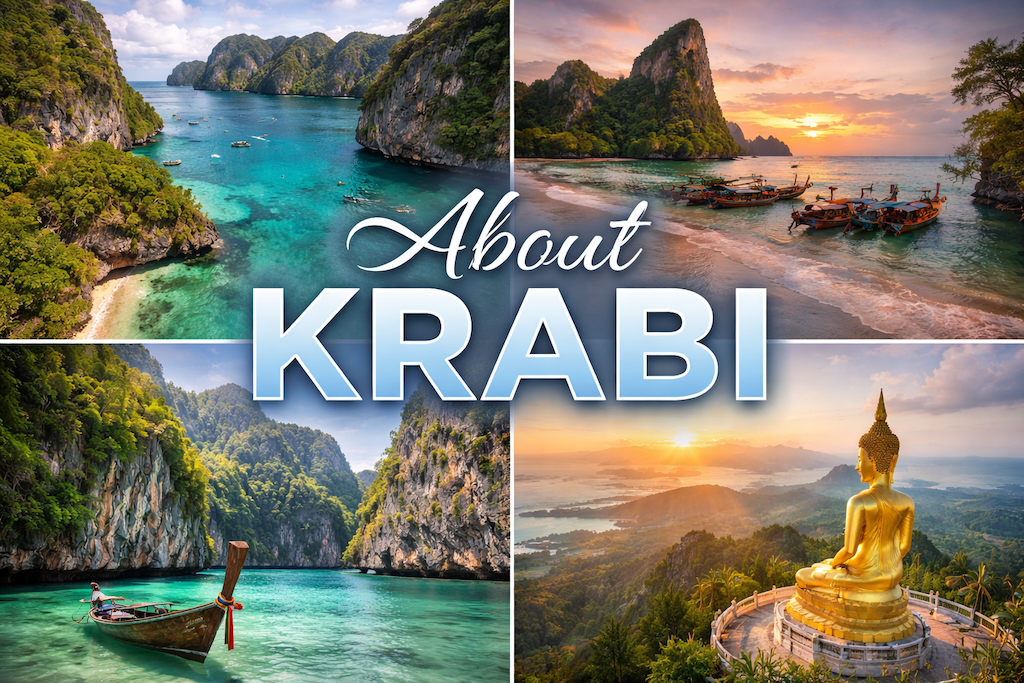
Thailand welcomed nearly 40 million foreign tourists in 2019, and Krabi stands out as one of the country’s most visited destinations. Krabi offers a more rugged and serene experience compared to bustling Phuket. This makes it perfect for travelers seeking pristine beaches and natural beauty. This coastal province sits 650 km south of Bangkok and serves as your gateway to world-famous islands and stunning limestone cliffs.
This complete guide covers everything you need to know about Krabi. You’ll find information on getting to Krabi, places to visit, the best beaches and everything about Krabi weather to plan your trip.
About Krabi Thailand: Location and Overview
Krabi province sits on southern Thailand’s southwestern coast along the Andaman Sea, positioned 814 km south of Bangkok. The province spans 4,708 square kilometers and administers more than 130 islands scattered across the Andaman Sea. Phang Nga, Surat Thani, and Trang provinces border Krabi. The province offers diverse geography that ranges from towering limestone cliffs to river deltas and pristine beaches.
Geography and Climate of Krabi
The region features distinctive limestone formations called mogotes, which appear both inland and along the coastline. These geological features have made Krabi Thailand a global destination for rock climbing enthusiasts. Ko Phi Phi Le gained international recognition as a filming location for the movie The Beach. It’s one of the province’s 154 islands. Natural forest cover has mangrove ecosystems and Cassia trees, while the Krabi River flows 5 kilometers through Krabi Town before emptying into the Andaman Sea.
Krabi has a tropical climate characterized by two distinct seasons. Daily high temperatures remain warm throughout the year and range between 25°C to 32°C. The average annual temperature sits at 27.45°C, with yearly highs never dropping below 31°C. Humidity levels fluctuate with the seasons and create different experiences for visitors during various months.
Best Time to Visit Krabi
The optimal period for visiting Krabi falls between November and April during the dry season. The peak season from November through February delivers clear skies, lower humidity, and comfortable temperatures. This window attracts the highest number of tourists from Europe and North America. December to February stands out as the absolute best time. Temperatures range from 24°C to 31°C and rainfall stays minimal at just 30-47 mm monthly.
The shoulder season spanning March through May brings warmer conditions with temperatures climbing to 34°C. April registers as the hottest month alongside March. This period sees fewer crowds while maintaining favorable weather for outdoor activities, despite increased heat. The green season from June to October offers a different appeal. Rain arrives most afternoons, but mornings remain bright and clear. This season brings lower prices, reduced tourist numbers, and lush verdant landscapes perfect for photography.
Krabi Weather Patterns Throughout the Year
The dry season extends from November through April and delivers abundant sunshine with minimal rainfall. Sea temperatures hold steady between 28°C to 30°C. These conditions are ideal for swimming and snorkeling. January and February emerge as the driest months and receive only 30-45 mm of precipitation. Outdoor activities proceed without weather concerns during this extended period.
The rainy season runs from May through October and brings heavier and more frequent rainfall. September and October register the highest precipitation, with October reaching 325-389 mm. Annual rainfall totals about 2,000 millimeters. Temperatures remain pleasant and average 25-30°C, despite regular showers. Rain showers often clear quickly, and mornings stay sunny. The forest grows greener throughout this season and changes into a vibrant tropical paradise.
November serves as a transition month and sometimes experiences abundant rainfall due to delayed monsoon retreat. March and April see increased pre-monsoon showers as temperatures rise before the wet season arrives.
Getting to Krabi: Transportation Options
Multiple transportation options connect you to Krabi, whether you prefer speed, budget, or scenic routes. Your choice depends on available time, comfort priorities, and departure location within Thailand or neighboring countries.
Flying to Krabi International Airport
Krabi International Airport (KBV) operates as a medium-sized international facility serving southern Thailand. The airport handles flights to 16 destinations in 8 countries, with about 628 departures monthly. Direct flights from Bangkok take just 1 hour and 20 minutes. Air travel is the fastest option to reach Krabi.
Thai AirAsia, IndiGo Airlines, and Bangkok Airways dominate the route. Each serves 3 destinations from Krabi. Many more carriers include Thai Airways, Finnair, Flydubai, and SAS. The longest route stretches 5,611 miles to Copenhagen and needs 12 hours and 40 minutes. Bangkok flights depart from both Suvarnabhumi Airport and Don Mueang Airport. Budget carriers use Don Mueang most of the time.
One-way fares from Bangkok range between THB 688.47 to THB 2,065.42, especially when you have early bookings. The airport sits 15 kilometers from Krabi Town. You need ground transportation upon arrival. Air-conditioned shuttle busses, shared taxis, and private transfers wait outside the terminal. Total door-to-door travel time from Bangkok averages 4 to 5 hours. This includes airport transfers and check-in.
Bus and Train Connections to Krabi
Krabi lacks a direct train station. Travelers must combine rail and road transport. The standard route involves taking an overnight sleeper train from Bangkok to Surat Thani. A bus connection covers the remaining distance after that. Trains depart from Krung Thep Aphiwat Central Terminal and reach Surat Thani Railway Station in 8 to 9 hours.
Multiple bus services operate to Krabi Town from Surat Thani. Journey times range from 2 to 5 hours. Bus fares vary between THB 180 to THB 450. The operator and service class determine the price. Companies like Phantip Travel, Phangan Tour 2000, and Future Travel run regular departures throughout the day. This combined trip takes about 12 to 14 hours total.
Direct busses from Bangkok’s Southern Bus Terminal travel straight to Krabi in 10 to 12 hours as an alternative. Overnight coaches depart in the evening and arrive early morning. Ticket prices range from THB 516.35 to THB 1,032.71. VIP services offer reclining seats, blankets, and snacks. The Transport Company operates this route three times daily.
Ferry Routes to Krabi from Nearby Islands
Ferry services connect Krabi with popular island destinations across the Andaman Sea. Boats depart from Klong Jilad Pier, located 5 minutes from Krabi Town center. The pier handles departures to Koh Phi Phi, Railay, and Phuket.
The Koh Phi Phi to Krabi route operates with about 64 weekly sailings from three operators. Journey times range from 59 minutes on high-speed catamarans to 2 hours on standard ferries. Fares average THB 1,270.58. They fluctuate between THB 481.93 and THB 2,926.01. Season and vessel type affect the price.
Routes also operate from Koh Samui, Koh Phangan, and Koh Tao. Journey times range from 4.5 to 7.5 hours. Ferry services accommodate foot passengers only and exclude vehicle transportation. Indoor air-conditioned seating and outdoor deck areas provide comfort during crossings.
Top Places to Visit in Krabi
Six distinct attractions showcase Krabi’s natural wonders and cultural heritage. Each offers unique experiences that draw visitors from around the world.
Railay Beach and Phra Nang Beach
Railay functions as a peninsula. You can reach it only by boat despite its connection to the mainland. Limestone cliffs tower around this area and make road access impossible. Longtail boats from Ao Nang Beach or Ao Nammao Pier reach Railay in 10 minutes for 100 Baht per person.
The peninsula divides into West Railay Beach and East Railay Beach. Both are walkable. West Railay Beach serves as the main drop-off point for tourists and provides the best sunset viewing spot. Phra Nang Beach sits on the eastern side. You need to walk through limestone cave formations to reach it. This beach features massive limestone cliffs that rise above the shore and attract rock climbers to tackle challenging routes. A fertility shrine with wooden phallic sculptures stands near Phra Nang Cave. Local fishermen bring offerings there and believe the spirit grants wishes and promotes prosperity.
Ao Nang: Krabi’s Main Tourist Hub
Ao Nang sits 20 kilometers west of Krabi Town. It’s positioned on the eastern edge of Phang-Nga Bay. This former fishing village transformed during the 1990s from a backpacker destination into an international mass tourism center. The beach stretches 0.9 miles between two jungle promontories. Clean white sand and crystal clear water back up against towering cliffs.
Tour agencies line the main street and sell day trips to temples, caves, elephant sanctuaries and boat tours to islands. The beach serves as the departure point for island hopping tours. Tickets start at 100 Baht per ride.
Krabi Town and Local Markets
Krabi Town operates as the central hub for adjacent beaches and islands. The Walking Street night market takes over Maharaj 8 Road every Friday through Sunday from 5 PM to 10 PM. Vendors sell local products, street food, souvenirs and clothing while live music fills the air.
Maharaj Market opens from 5:30 AM to 12:00 PM each day. It functions as the province’s biggest central market with dried food, fresh food, ready-to-eat meals and various items. The Black Crab Night Market near the Mud Crabs Sculpture operates from 4:00 PM to 10:00 PM each day. It offers many restaurants and items at reasonable prices.
Tiger Cave Temple (Wat Tham Sua)
This Buddhist temple was founded in 1975 and sits north-northeast of Krabi Town. Visitors climb 1,260 steps to reach the summit at 278 meters elevation. Some stair risers exceed 30 cm in height. A large golden Buddha statue sits atop the mountain alongside a 360-degree view of Krabi’s mountains, forests and coastline. The temple opens from 5:00 AM to 6:00 PM each day with free entrance, though donations support maintenance.
Emerald Pool and Hot Springs
This site sits within Khao Phra-Bang Khram Wildlife Sanctuary and features three pools connected by a 1,400-meter nature study path. Sa Kaeo flows from the Emerald Pool with clear water unsuitable for swimming. Sa Morakot appears emerald green with temperatures that range from 30-50 degrees Celsius. Shady forest surrounds it and swimming occurs there. Sa Namphut sits 600 meters from the Emerald Pool and displays beautiful clear blue water. The site opens from 08:30 to 17:00 each day with entrance fees of 400 Baht for adults and 200 Baht for children.
Khao Sok National Park
This rainforest national park covers 739 square kilometers in Surat Thani province. Cheow Lan Lake serves as the main attraction with floating resorts and luxury tents. The park features iconic limestone hills, waterfalls, trails and caves. Entrance fees reach 200 Baht for adults and 100 Baht for children at headquarters, while Cheow Lan Lake charges 300 Baht for adults and 150 Baht for children. The park opens from 6 AM to 6 PM each day.
Best Krabi Beaches for Every Traveler
Krabi’s coastline caters to different travel styles, from secluded luxury escapes to adventurous climbing havens and vibrant island communities.
Tub Kaek Beach for Peaceful Relaxation
Tub Kaek Beach delivers the tranquility many seek in Krabi Thailand. It sits 30 minutes northwest of Ao Nang. This stretch features soft sand and a calm sea with gentle tides. You’ll find spectacular views of Andaman Sea islands. The beach extends in a long sweep of golden sand backed by lush greenery. Limestone islands rise offshore. Tub Kaek maintains a more secluded atmosphere than busier Krabi beaches and hosts high-end resorts. The Banyan Tree Krabi and Amari Vogue Krabi anchor the area. They provide luxurious beachfront stays. Powdery white sands meet emerald waters. The Tup Kaek sunsetpaints the sky in vibrant colors over the Andaman Sea.
Railay West Beach for Stunning Scenery
Railay West Beach stands as the largest of three beaches in Railay Bay. Boats from Ao Nang and Krabi Town arrive here. Limestone cliffs surround the shoreline and create a cinematic landscape that compensates for water clarity. Several four and five-star hotels occupy this beach. The Rayavadee, Sand Sea Resort, Railay Village, and Railay Resort & Spa provide direct sand access for guests.
Tonsai Beach for Rock Climbing Enthusiasts
Backpackers and climbers favor Tonsai Beach for its affordable accommodations tucked behind the forest. This destination has hundreds of routes ranging from 5c to 8c and includes multi-pitch climbs. Climbers scale routes above the beach, never far from refreshments. Longtail boats from Ao Nang provide access and maintain Tonsai’s separated character. The beach suits beginners. It also challenges experienced climbers with routes up to grade 29.
Koh Phi Phi and Island Beaches near Krabi
The Koh Phi Phi archipelago contains six islands. Ko Phi Phi Don and Ko Phi Phi Leh are the largest. Maya Bay gained fame from ‘The Beach’ film. Bamboo Island sits 8 km from Phi Phi Don and requires a 400 THB entrance fee. Visitors find powdery white sand there. Koh Poda has unspoiled beauty within Mu Koh Phi Phi National Park. The island is known for snorkeling and white sand.
Things to Do in Krabi: Activities and Experiences
Activities in Krabi blend adventure with cultural immersion and offer experiences suited to interests and fitness levels of all types.
Island Hopping Tours from Krabi
The Four Islands tour visits Koh Poda, Koh Tub, Chicken Island, and Phra Nang Cave Beach. It provides snorkeling access to shallow reefs. Phi Phi Island tours operate via speedboat and cover Maya Bay and Bamboo Island in 7-hour excursions. Hong Islands tours explore the secluded lagoon within Than Bok Khorani National Park.
Rock Climbing at Krabi’s Limestone Cliffs
Railay Beach offers over 700 climbing routes that range from beginner-friendly walls to advanced overhangs. Half-day sessions cost 1,350 Baht. Full-day programs reach 2,450 Baht and include equipment, instruction, and hotel transfers. Climbing locations span both East and West Railay. Book your Railay Beach Rock Climbing here
Kayaking Through Mangrove Forests
Ao Thalane kayaking adventures cost 1,032.71 THB for six-hour tours through mangrove tunnels and limestone canyons. Tours accommodate up to 20 travelers with English-speaking guides who point out monkeys, herons, and marine creatures.
Thai Cooking Classes in Krabi
Ya’s Cookery School provides instruction in traditional Thai cooking and teaches fresh ingredient selection and regional techniques. Classes accommodate groups from 2 people upward.
Visiting Elephant Sanctuaries
The Elephant Sanctuary Krabi maintains a strict no-riding policy and allows visitors to feed and bathe elephants. Each elephant consumes up to 250 kilograms of food daily.
Snorkeling and Diving in Krabi’s Waters
Krabi’s waters host over 200 marine species across 100 islands. Half-day snorkeling trips cost under 2,000 THB and visit sites like Koh Hong, Phi Phi Islands, and the Four Islands.
Conclusion
Krabi delivers everything you seek in a tropical paradise, from world-class beaches to limestone cliffs and vibrant island life. Planning your Krabi adventure becomes simple when you understand transportation options, seasonal weather patterns and top attractions, as shown in this piece. The dry season between November and April offers ideal conditions, though the green season brings its own appeal with fewer crowds and lower prices.
Your choice of beaches and activities depends on your travel style. Krabi accommodates every preference, whether you prefer peaceful relaxation at Tub Kaek, rock climbing at Railay, or island hopping adventures. Book early during peak season. You’ll secure better rates while experiencing Thailand’s most stunning coastal province.
FAQs
Q1. What is the best time of year to visit Krabi? The ideal time to visit Krabi is between November and April during the dry season, with December to February being the absolute best months. During this period, you’ll experience clear skies, comfortable temperatures ranging from 24°C to 31°C, minimal rainfall, and lower humidity levels, making it perfect for beach activities and outdoor adventures.
Q2. How do I get to Krabi from Bangkok? You can reach Krabi from Bangkok by air, bus, or a combination of train and bus. Flying is the fastest option, taking just 1 hour and 20 minutes with one-way fares starting from THB 688. Alternatively, direct busses take 10-12 hours, or you can take an overnight train to Surat Thani followed by a bus connection, which takes approximately 12-14 hours total.
Q3. Can you access Railay Beach by car? No, Railay Beach cannot be accessed by car despite being connected to the mainland. The area is surrounded by towering limestone cliffs that make road access impossible. The only way to reach Railay is by longtail boat from Ao Nang Beach or Ao Nammao Pier, which takes about 10 minutes and costs 100 Baht per person.
Q4. What activities are available for adventure seekers in Krabi? Krabi offers numerous adventure activities including rock climbing on limestone cliffs with over 700 routes at Railay Beach, island hopping tours to destinations like Phi Phi Islands and the Four Islands, kayaking through mangrove forests at Ao Thalane, snorkeling and diving among 200+ marine species, and hiking the 1,260 steps to Tiger Cave Temple’s summit for panoramic views.
Q5. How much does it cost to visit the Emerald Pool in Krabi? The Emerald Pool, located within Khao Phra-Bang Khram Wildlife Sanctuary, charges an entrance fee of 400 Baht for adults and 200 Baht for children. The site is open daily from 08:30 to 17:00 and features three connected pools along a 1,400-meter nature study path, with the main Emerald Pool offering swimming opportunities in its beautiful clear water.