Krabi Property Guide: What Smart Investors Know Before Buying
Your Krabi Property Guide starts with crucial timing: tourism has surged past four million visitors annually, driving rental yields of 8-12% in prime locations, while property prices remain relatively low compared to other Thai destinations. As a result of the Krabi International Airport expansion completing, real estate prices are projected to rise, creating a narrow window for strategic investors. This comprehensive guide covers the Best Locations To Buy Property In Krabi, from Ao Nang to Railay Beach, and explores Krabi Villas, Krabi Condos, Krabi Houses, and Krabi Land For Sale options alongside critical legal considerations and risk factors you must evaluate before investing.
Why Krabi Property Market Stands Out
Growing Tourism Creates Consistent Demand
Krabi province generated ฿91.04 billion in tourism revenue in 2024, positioning it as Thailand’s fifth most profitable province after Bangkok, Phuket, Chonburi and Chiang Mai. The province welcomed 3.8 million visitors in 2023, comprising 2.1 million domestic tourists and 1.7 million international travelers. This visitor volume directly translates into property demand, particularly in areas designed for short-term rentals and vacation homes.
Krabi International Airport handled 2.59 million passengers in 2024, marking a 12% increase over 2023 figures, with 587,508 international arrivals. The airport’s ฿6 billion expansion project will double passenger capacity to 8 million annually. New international terminals and cargo facilities will support imports of luxury goods for resorts and upscale villas, strengthening the infrastructure that high-end property developments require.
Route 44 highway improvements have reduced travel times to major attractions, making key areas more accessible. Rental yields in Ao Nang and neighboring Railay range between 5% and 8%, supported by high occupancy rates throughout the year. The median sale price for houses in Ao Nang reached approximately ฿6.99 million in early 2024, averaging ฿39,822 per square meter. These figures reflect consistent demand driven by wellness retreats, rock climbing expeditions, and co-working villas attracting digital nomads.
Government Incentives for Foreign Property Buyers
Thailand has implemented specific measures benefiting foreign real estate investors in 2026. Current policies include:
- Reduced transfer fees: Property transfer fees reduced to 0.01% for homes valued up to THB 7 million, extended through June 2026
- Relaxed loan-to-value rules: More flexible financing options for foreign buyers
- Thailand Elite Visa: Long-term residency options attracting retirees, investors, and digital nomads
- THB 3 million investment visa: Buyers purchasing condominiums or leasehold properties valued at THB 3 million or more receive one-year visa validity, fast-track immigration service, and eligibility to include dependents
The THB 3 million investment campaign launched in early 2026 simplifies visa applications and reduces administrative complexity for foreign residents. Fast-track immigration covers both arrival and departure at international airports, while family members including spouses and children can extend visa privileges. These incentives create favorable conditions for international buyers seeking coastal properties in emerging markets like Krabi.
Krabi Property Prices Compared to Other Thai Destinations
A sea-view villa in Krabi costs significantly less than comparable Phuket properties while offering similar lifestyle benefits and greater appreciation potential. The median sales price for houses in Krabi stands at approximately ฿8,600,000. The median price per square meter sits at ฿51,100, providing clear indicators of investment potential.
Krabi occupies strategic middle ground, delivering emerging market growth with reduced risk through major infrastructure investment. The average listing price for houses reaches ฿11,239,948, though prices vary from accessible 3 million baht entry points to high-end properties reaching 20 million baht. Properties near beaches or on hillsides with sea views attract particular interest from European and Asian investors, including buyers from China, Hong Kong, and Singapore.
Infrastructure completion and surging foreign investment position Krabi as an ideal entry point for buyers seeking capital appreciation before prices align with more established Thai destinations. This Krabi Property Guide emphasizes the province’s current pricing advantage as infrastructure upgrades near completion.
Best Locations To Buy Property In Krabi
Selecting the right location determines your investment success more than any other factor in this province. Each area within this Krabi Property Guide offers distinct advantages depending on your investment goals and target market.
Ao Nang: High Rental Yields and Tourist Activity
Ao Nang functions as Krabi’s primary tourist hub, attracting diverse visitors from backpackers to families seeking beachfront access. The area delivers high rental yields of 8-12% through consistent occupancy rates year-round. Investment opportunities span apartments, guesthouses, and larger hotels, providing entry points across multiple price ranges.
The central location provides immediate access to restaurants, nightlife venues, and island-hopping departure points. This accessibility drives strong demand for vacation rentals, though competition among property owners remains fierce. Properties suitable for short-term rentals benefit from Ao Nang’s position as the epicenter of development activity. On one hand, the bustling atmosphere guarantees steady tourist traffic; be that as it may, peak season congestion may deter visitors seeking quieter experiences.
Railay Beach: Exclusive Beachfront Krabi Property
Railay Beach commands premium positioning through boat-only accessibility, creating natural exclusivity that justifies higher pricing. The median sales price reaches approximately €1,120,000, with properties averaging €1,800 per square meter. This seclusion attracts tourists seeking private getaways away from mainland crowds.
Investment focus centers on boutique resorts and high-end villas rather than standard apartments. The limestone cliffs and rock climbing attractions draw nature enthusiasts willing to pay elevated rates for unique accommodations. Railay’s boat-only accessibility creates both premium appeal and logistical challenges that require careful evaluation. Properties here command premium pricing due to the exclusive experience and stunning natural setting.
Klong Muang: Peaceful Luxury Living
Klong Muang offers upscale alternatives for investors targeting discerning clientele seeking tranquility. The area sits just one minute from Klong Muang Beach, featuring pristine white sands and crystal-clear waters framed by limestone cliffs. Luxury resorts dominate the landscape, attracting families and travelers prioritizing peaceful beach time over nightlife.
The relaxed atmosphere compared to Ao Nang positions Klong Muang for high-end villa developments and eco-friendly projects. Properties in this zone cater to guests seeking privacy without sacrificing convenience to amenities. Investment opportunities focus on premium residences that deliver luxury living experiences in natural surroundings.
Koh Lanta: Emerging Investment Areas
Koh Lanta represents emerging value within this Krabi Property Guide, blending island lifestyle with modern conveniences. The diverse population includes Thai-Buddhists, Thai-Muslims, Thai-Chinese, and sea gypsies, creating authentic cultural experiences. Improved connectivity has enhanced accessibility while maintaining the slow-life atmosphere that attracts long-term residents and digital nomads.
Property costs remain lower than Ao Nang or neighboring Phuket, creating opportunities for investors seeking appreciation potential. The island suits buyers targeting extended stays and rental arrangements for remote workers. Lanta’s worldwide recognition combines with development potential to position it as a strategic investment location.
Types of Krabi Property Available for Investment
Krabi presents diverse property types suited to different investment strategies and budget levels. Understanding each category’s characteristics helps you align your purchase with specific financial goals and risk tolerance.
Krabi Villas: Luxury and High Rental Returns
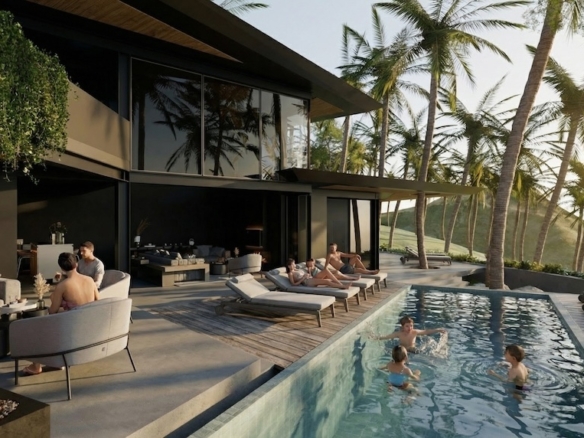
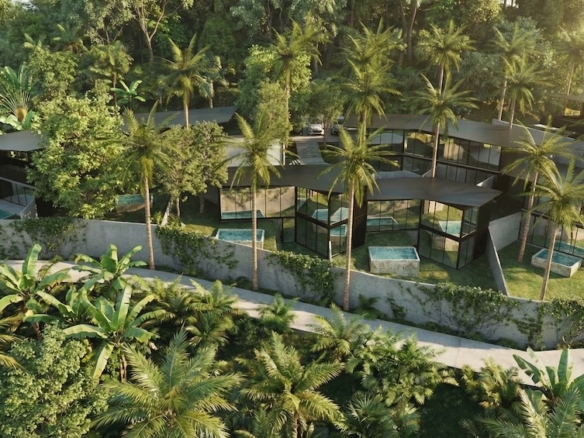
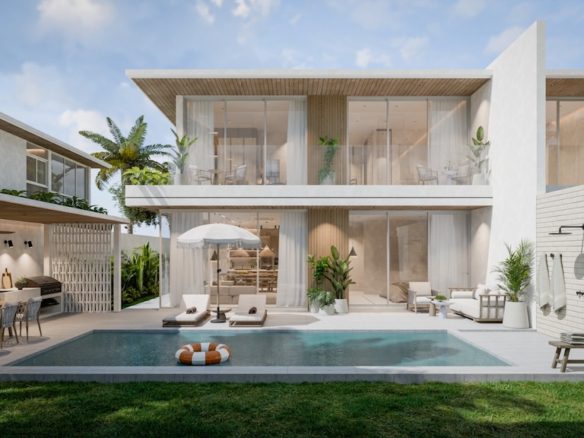
Villas command premium positions in this Krabi Property Guide through their ability to attract affluent tourists seeking privacy and exclusive experiences. Pool villas specifically appeal to foreign visitors who prioritize private travel, cleanliness, and dedicated space for family gatherings or group celebrations. Properties located near beaches in Aonang, Klong Muang, Nopparat Thara, and Nathai offer substantial growth potential driven by tourism expansion.
Railay Beach and Tubkaek Beach serve as ideal locations for luxury villas, drawing travelers willing to pay elevated rates for secluded beachfront access. Villa investments provide two distinct approaches: building from scratch offers design freedom and budget control but requires high costs, extensive time for land acquisition and construction, plus risks of permit delays. Alternatively, purchasing existing villas eliminates design and construction hassles while enabling immediate rental income, though maintenance costs remain a consideration.
Rental strategies for Krabi Villas include short-term daily or monthly arrangements, event hosting for parties and weddings, and long-term speculation in prime areas experiencing price appreciation. The flexibility to serve multiple revenue streams makes villas particularly attractive for investors seeking active property management opportunities.
Krabi Condos: Affordable Entry Points
Condos provide first-time investors with lower entry barriers while maintaining solid rental income potential. The median list price sits at ฿3,797,272, with properties averaging ฿73,089 per square meter. Pricing varies considerably based on location and features, ranging from ฿4,190,000 for mountain-view units to premium sea-view properties achieving 10% annual rental returns.
Ao Nang and Krabi Town attract short-term tourists and longer-term residents, making condos particularly suitable for these markets. Properties in these zones benefit from proximity to beaches, restaurants, and departure points for island excursions. Foreign buyers can purchase condos under freehold ownership, providing greater security compared to leasehold arrangements.
Krabi Houses: Family-Friendly Options
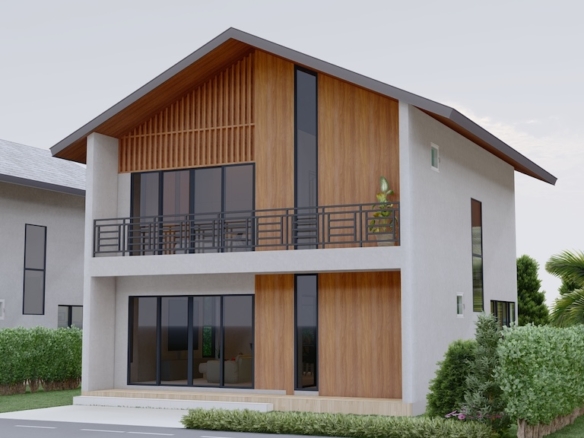
Houses balance rental income generation with capital appreciation opportunities. The average listing price reaches ฿11,239,948, though entry points start around 3 million baht. Klong Muang and Nopparat Thara serve as prime locations for houses, attracting families and larger groups seeking space and amenities.
Houses provide flexibility for both personal use and rental strategies. Properties near beaches or featuring hillside locations with sea views attract European and Asian buyers, including investors from China, Hong Kong, and Singapore seeking second homes or retirement properties.
Krabi Land For Sale: Development Opportunities
Raw land offers maximum appreciation potential for investors with development expertise or long-term holding strategies. The median list price stands at ฿9,256,827, with properties averaging ฿7,092 per square wah. Plots range from compact 208.4 square meter parcels starting at ฿550,000 to extensive beachfront holdings exceeding ฿575,000,000.
Aonang land commands premium pricing due to established tourism infrastructure, while areas like Nathai present emerging opportunities near the airport with lower acquisition costs. Development options span hotel construction, villa projects, and commercial buildings in Krabi town’s economic center. Koh Lanta island plots offer diverse pricing based on location suitability for residential development or long-term rental properties targeting digital nomads.
What Smart Investors Consider Before Buying Krabi Property
Foreign buyers navigating this Krabi Property Guide face specific legal frameworks that determine ownership structure and long-term security. Each consideration below directly impacts your investment returns and risk exposure.
Understanding Legal Requirements for Foreign Ownership
Foreigners can legally own condominium units freehold, provided no more than 49% of the total sellable unit area remains under foreign ownership. If quota availability exists, you hold full ownership in your name. Foreigners cannot directly own land in Thailand. Consequently, Krabi Villas and Krabi Houses require alternative structures.
Long-term leases represent the most common method. Thai law permits 30-year registered leases, with contractual provisions for two additional 30-year renewals totaling 90 years. These renewal clauses exist as personal contractual promises, not automatic statutory rights. Another option involves establishing a Thai limited company with at least 51% Thai shareholding to purchase land. Using nominee shareholders illegally carries significant legal penalties.
Working With Local Krabi Property Agents
Licensed agents provide title deed due diligence, contract preparation, and professional translation services. They verify the seller’s credentials and check for encumbrances, ensuring properties remain free from liens or legal claims. Your attorney should review ownership documents and confirm the seller possesses legal capability through the Central Bankruptcy Court verification.
Calculating Real Rental Income and Expenses
Foreign individuals pay Thai personal income tax on rental income, with 15% withholding tax typically deducted at source. Filing personal income tax returns allows you to claim a 30% standard deduction on gross rental income. On ฿1,000,000 gross rental income, actual tax liability drops to approximately ฿48,500, creating a refund of over ฿101,500 from withheld amounts. You must specifically request refunds on tax returns; otherwise, the Revenue Department will not process them.
Financing Your Krabi Property Purchase
Foreigners face stricter mortgage terms than Thai nationals. Banks typically lend only 50-70% of property value, requiring larger down payments. Thai banks offer mortgages covering 80-90% for Thai citizens but reduce this loan-to-value ratio for foreign buyers. Interest rates range from 3-7% depending on loan structure and borrower profile. Foreigners must show permanent residency or long-term work visa, proof of stable income, and often pay down payments of 50% or more.
Risks and Challenges in Krabi Property Investment
Tourism Dependency and Market Volatility
Krabi’s economic vitality depends heavily on international tourism, creating vulnerability to global economic downturns, geopolitical instability, or travel disruptions. While Thailand’s projected 41.1 million international arrivals in 2025 support continued market strength, this dependency concentrates risk in a single sector. Economic shocks affecting tourism directly impact rental income and property values across all investment types in this Krabi Property Guide.
Property Liquidity Concerns
Krabi’s market liquidity remains below Phuket levels. Property sales typically require 6-12 months or longer, representing normal market cycles rather than quick transactions. Location selection becomes critical, with prime areas like Ao Nang and Railay Beach offering superior resale potential compared to more remote developments. This extended timeline demands financial reserves to cover holding costs during sale periods.
Managing and Maintaining Your Krabi Property
Remote ownership presents logistical challenges for handling maintenance issues and tenant screening from abroad. Thailand’s tropical climate requires consistent upkeep to prevent deterioration. Professional property management services handle common area maintenance including gardening, road upkeep, pool cleaning, 24-hour security, pest control, and garbage collection. Annual common area fees cover these services, while technical staff coordinate repairs and external contractors. Without proper management, properties decline rapidly in value and guest satisfaction.
Krabi Property Guide: Conclusion
This Krabi Property Guide reveals a strategic window before airport expansion completion drives prices upward in 2025. Properties here deliver 8-12% rental yields with significantly lower entry costs than Phuket, while government incentives through June 2026 reduce transfer fees and streamline visa processes for foreign buyers.
Your success depends on careful location selection and understanding legal frameworks for foreign ownership. Work with licensed agents who verify title deeds and ownership documents, calculate actual tax obligations on rental income, and prepare for 6-12 month sale timelines if liquidity becomes necessary.
Given these points, Krabi presents compelling opportunities for investors who thoroughly research legal requirements and select properties in tourism-driven locations before infrastructure completion closes the current pricing advantage.
Visit our Krabi homepage here and start your property search today
FAQs
Q1. Is 2026 a good time to invest in Krabi property? Yes, 2026 presents a strategic investment window in Krabi. The market offers rental yields of 8-12% in prime locations, with property prices still lower than comparable Thai destinations like Phuket. The Krabi International Airport expansion is nearing completion, which is projected to drive prices upward in 2025-2026, creating a narrow opportunity for investors to enter before significant appreciation occurs.
Q2. Can foreigners legally purchase property in Krabi? Foreigners can own condominium units outright (freehold) as long as foreign ownership doesn’t exceed 49% of the total sellable area in the building. However, foreigners cannot directly own land in Thailand. For villas and houses, investors typically use 30-year registered leases with renewal options or establish a Thai limited company with at least 51% Thai shareholding to purchase land legally.
Q3. What are the best locations to buy property in Krabi for investment returns? Ao Nang offers the highest rental yields (8-12%) due to consistent tourist activity and year-round occupancy. Railay Beach commands premium prices for exclusive beachfront properties. Klong Muang attracts luxury-seeking clients in a peaceful setting, while Koh Lanta represents emerging value with lower entry costs and strong appreciation potential, particularly appealing to digital nomads and long-term residents.
Q4. What are the main risks of investing in Krabi property? The primary risk is tourism dependency, as Krabi’s economy relies heavily on international visitors, making it vulnerable to global economic downturns or travel disruptions. Property liquidity is lower than in Phuket, with sales typically requiring 6-12 months. Additionally, remote property management can be challenging, as Thailand’s tropical climate demands consistent maintenance to prevent deterioration and maintain rental appeal.
Q5. What government incentives are available for foreign property buyers in 2026? Thailand offers reduced property transfer fees of 0.01% for homes valued up to THB 7 million (extended through June 2026), more flexible loan-to-value financing rules, and a THB 3 million investment visa for condominium buyers. This visa provides one-year validity, fast-track immigration service, and eligibility to include family dependents, making it easier for foreign investors to establish residency.