Koh Samui Property Market 2026: What Smart Investors Need to Know Before Buying
The Koh Samui property market is experiencing remarkable momentum, with the island welcoming over 3.5 million visitors in 2023 and hotel registrations surpassing 2019 levels by 1.5 times. Land prices have jumped about 10%, and developers are launching villa projects at a pace not seen since the mid-2000s. You need to understand market dynamics, optimal locations, realistic rental yields and legal structures before you invest. This piece covers everything from property types and pricing to ownership requirements, including whether foreigners can buy property in Koh Samui.
Understanding the Koh Samui Property Market in 2026
Current property market size and value
C9 Hotelworks’ 2025 analysis values the Koh Samui Property Market at THB 30.3 billion. The main residential market has 2,882 units across 117 projects. Development has changed from traditional villa-centric projects toward higher-density offerings. Condominiums now represent 52% of total market supply and signal a transformation in how the island accommodates investment demand.
Median pricing provides a clearer picture of entry points. Condominiums carry a median price of THB 88,500 per square meter. Landed properties average THB 60,600 per square meter. A one-bedroom condominium (40-70 sqm) sits at THB 3.5 million for typical configurations. Two-bedroom units (80-110 sqm) fetch THB 7.2 million, and three-bedroom villas (250-350 sqm) average THB 14.9 million.
Geographic concentration defines value distribution. Bophut commands 70% of the main market inventory, followed by Maret at 15% and Mae Nam at 9%. This clustering shows both development maturity and buyer priorities for specific submarkets. Oceanfront properties have 631 units of total supply, while branded residences have 550 units.
How The Koh Samui Property Market compares to Phuket
The market pricing differential between Koh Samui and Phuket property shows big value gaps. Phuket’s median condominium price sits at THB 144,000 per square meter. Koh Samui’s median is THB 88,500 per square meter. You can purchase a quality villa in Bophut or Chaweng Noi hillside at THB 10-18 million (USD 280,000-500,000). This represents a meaningful discount to equivalent Phuket west-coast properties.
Market maturity separates these destinations. Koh Samui is at an earlier stage in international buyer recognition. The 220% surge in foreign buyer transfers recorded for Surat Thani province in 2025 shows a market moving from secondary interest to genuine international demand. Koh Samui in 2026 may be the Phuket of five to eight years ago in terms of where it sits in its international buyer adoption curve.
Infrastructure differences affect accessibility and pricing. Koh Samui Airport operates as a private concession by Bangkok Airways, with smaller aircraft types and limited international routing. Most guests connect through Bangkok, Phuket, or Singapore. This translates to lower nightly rates at equivalent quality levels and a more concentrated visitor demographic regionally.
Key factors driving growth in 2026
Property Market observers forecast 7-9% price growth in 2026 for premium Koh Samui submarkets. Some analyzes project 8-15% annual growth for premium Samui properties through 2027. Limited land supply in prime locations drives this appreciation, especially as the best plots reach development saturation.
Mid-term demand for 1-6 month stays has strengthened. Lifestyle relocations and remote work trends support this. The buyer profile is changing. More investors calculate ROI rather than making emotional purchases. Foreign buyers made up 65% of 2023 residential purchases and focused on condos and villas in Chaweng and Bophut.
Koh Samui Property Market Supply and demand dynamics
The villa rental market has 3,055 properties. Third-party operators manage most of them. Supply increased by 34% year-on-year as of January 2025. This created price competition that pushed down average nightly rental rates by 11% year-on-year in Q1 2025 to THB 13,012. Occupancy rose by 5.7 percentage points to 71.5% though. This shows resilient demand despite softer pricing.
Seasonality affects market performance. Villa rental occupancy dips to 38.7% in September and peaks at 76.2% in February. Average length of stay hovers between four and five nights, closer to classic short-stay models than longer-term rentals. The market now shows a 13% unsold inventory rate, up from 10% in 2024. This signals active development but raises caution against oversupply in specific areas like Mae Nam.
Property types and price ranges investors should consider
Investment opportunities in the Koh Samui Property Market span four distinct categories. Each serves different buyer profiles and budget ranges. These segments help you arrange your investment goals with realistic property options.
Entry-level condominiums
Affordable condos provide the most available entry point for foreign investors. Studio apartments start at THB 2-4 million. One-bedroom units range from THB 4-8 million. Budget-friendly options in less central areas begin around THB 1.5-3 million and offer comfortable living without premium location costs.
The median condominium price in Koh Samui sits at THB 3.88 million. Specific examples include one-bedroom sea-view apartments in Chaweng Hills at THB 3 million, units at Serenity Escape Samui for THB 4.5 million, and properties at Unique Residences priced at THB 5.9 million. Condos present full freehold ownership rights for foreigners. Entry-point units start around THB 3.24 million.
Two-bedroom condos fall between THB 8-15 million. Luxury beachfront options reach THB 15-30 million. These properties often include resort-style management facilities and beach proximity.
Mid-range villas with pool access
Pool villas occupy the THB 10-20 million bracket and target buyers seeking private outdoor space without ultra-luxury pricing. Garden pool villas start from THB 10.33 million. Detached villas and townhouses begin around THB 6.2 million.
Rental examples demonstrate market positioning. Villa Callisto in Bophut offers two bedrooms with infinity pool views at THB 12,909-22,375 per night. Villa Tao in Chaweng Noi features three bedrooms with beach views and jungle surroundings at THB 13,425-18,589 nightly. Villa Thallo in Lipa Noi provides beachfront access with a 40-square-meter pool at THB 18,864-26,196 per night.
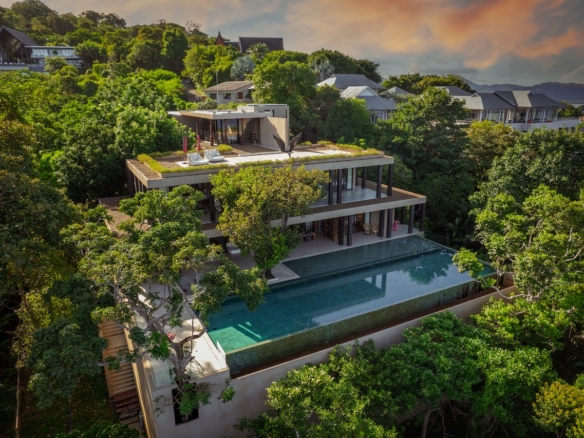
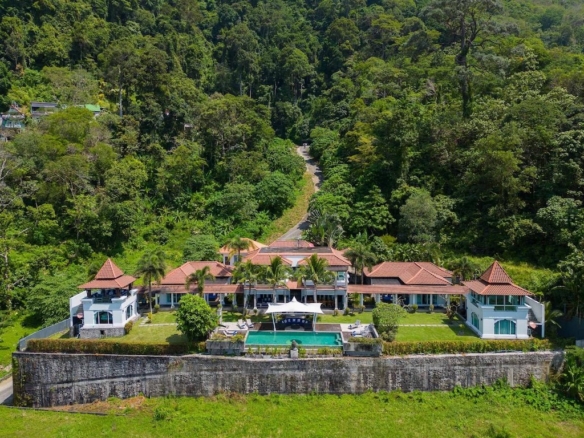
Hillside villas in this range deliver panoramic views between THB 14.46-19.62 million. These properties attract buyers who prioritize spacious layouts and private pools over direct beach access.
Sea-view luxury villas
Sea-view properties start at THB 15.49 million and extend to THB 50 million. Location and amenities determine the final price. The median villa price throughout Koh Samui reaches THB 22.27 million. Three-bedroom villas average THB 24.61 million. Four-bedroom properties sit at THB 38.21 million, and five-bedroom villas reach THB 57.49 million.
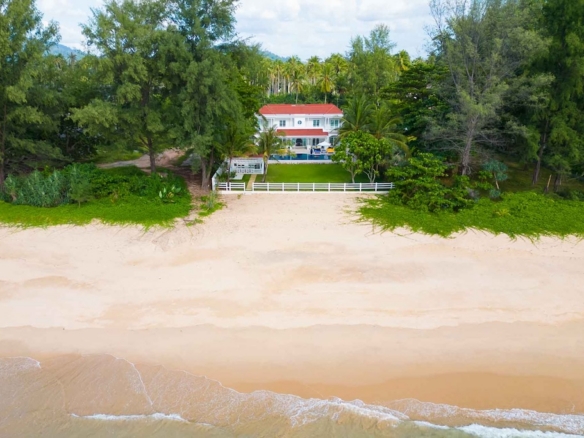
Prime beachfront luxury properties can exceed THB 275.39 million. Beachfront villas start from THB 29.02 million and cater to buyers seeking coastal proximity. Most sea-view properties concentrate in northeastern Koh Samui, from Chaweng Noi’s steep hillsides through Plai Laem to Bophut’s elevated areas.
Ultra-luxury estates and branded residences
The Estates Samui represents the market’s pinnacle. Villas are priced at USD 12-12.5 million. This exclusive development offers just 14 ultra-luxury villas attached to Four Seasons Samui. Available units feature 2,749-2,994 square meters of useable area on land plots spanning 3,772-5,751 square meters. They include 4-6 bedrooms and private lifts.
These branded residences provide Four Seasons amenities and rental management. They combine investment potential with world-class service infrastructure.
Best locations in the Koh Samui Property Market for investment
Location selection determines both rental performance and long-term appreciation potential in the Koh Samui Property Market. Five areas consistently attract investor attention based on accessibility, infrastructure and buyer patterns.
Bophut and Bophut Hills
Bophut commands the strongest position for property investment on the island. This northeastern submarket sits just 15 minutes from Samui International Airport and combines accessibility with the cultural appeal of Fisherman’s Village. Short-term holiday rentals generate yields between 6%-10% annually. Consistent tourist interest in the area’s beachfront dining and boutique shopping supports these returns.
The hillside areas above Bophut deliver panoramic sea views toward Koh Phangan, and properties command premium pricing. Land plots in this zone average THB 31,013,184 per rai. This reflects the limited availability of titled land with development rights. Specific plots of 350 square meters carry price tags around THB 3,250,000 with Chanote title. Popular villa configurations span 450-650 square meters on land plots of 800-1,600 square meters and sell between THB 20-40 million.
Chaweng, Bangrak, Choeng Mon and Mae Nam are all within 5-10 minutes. This easy access positions Bophut as a connectivity hub. The geographic advantage translates directly into rental occupancy rates that outperform more isolated areas.
Chaweng Noi
Chaweng Noi occupies elevated hillside terrain that overlooks the island’s most developed beach zone. Properties here sit within a 5-6 minute walk to Chaweng beach and combine hillside privacy with beach proximity. The area attracts investors who seek centrally-located assets with immediate access to restaurants, convenience stores and nightlife infrastructure.
Sea-view properties in Chaweng Noi target the luxury segment. Developers focus on ultra-modern designs that capture panoramic coastal vistas. High rental returns result from the area’s position adjacent to the main tourist corridor and draw both short-term holiday renters and longer-stay guests.
Plai Laem
Plai Laem represents prime development land in the northeastern corner of the island. This area sits between Bophut and Chaweng and offers proximity to both zones without the density that characterizes mature neighborhoods. Limited inventory of titled plots creates value for investors who target land banking strategies.
Lamai
Lamai’s southeastern coast delivers a vibrant atmosphere that established tourism infrastructure supports. The area features a wide range of amenities including restaurants, bars and entertainment options that generate consistent visitor traffic year-round. Proximity to cultural attractions like the Hin Ta and Hin Yai rocks and Wat Khunaram temple adds to rental appeal.
New villa developments position properties just 5 minutes from supermarkets and beaches, with 15-minute access to both the airport and Fisherman’s Village. This combination of convenience and established tourism interest makes Lamai suitable for investors who prioritize occupancy stability over capital appreciation velocity.
Mae Nam and emerging areas
Mae Nam offers a contrasting investment profile with lower property prices and a more tranquil environment. The 6-kilometer beach provides clean water and a peaceful atmosphere that attracts families and longer-stay visitors. Mae Nam maintains a relaxed character with minimal nightlife density, unlike Bophut and Chaweng.
Growing popularity among tourists who seek authentic experiences suggests appreciation potential as the area develops. Beachfront villas and modern apartments cater to diverse budgets, with entry points below comparable properties in northeastern zones. The scenic beauty and natural surroundings position Mae Nam for investors willing to accept slower rental velocity in exchange for capital growth as the island’s tourism footprint expands northward.
Return on investment: rental yields and capital appreciation
Expected rental yields for 2026
Gross rental yields in the Koh Samui Property Market range from 6% to 12% each year for luxury villas. Well-managed sea-view properties deliver 7-10%. Recent 2026 data shows average gross yields across Koh Samui villas at about 7.1%, with net yields around 5.4%. The gap between gross and net returns spans 1.5 to 2 percentage points, reflecting annual ownership and maintenance costs of THB 110,000 to 160,000.
Choeng Mon leads performance metrics. 4-bedroom pool villas achieve 7.9% gross yield and 6.2% net yield. Lamai’s 2-bedroom villas offer compelling entry-level returns at 6 million THB purchase price, fast 12-day leasing times, and 90% occupancy. Beachfront villas can reach up to 30% ROI in optimal conditions, while condominiums in prime areas deliver up to 25%.
Koh Samui Property Capital appreciation trends
Capital appreciation has averaged 8-12% each year in the last five years. Limited land supply and increasing international demand drive this growth. Forecasts project 7-9% growth in premium submarkets for 2026, with some analyzes suggesting 8-15% through 2027 for top-tier properties. Properties within 500 meters of quality beaches achieve the highest returns.
Occupancy rates and seasonal demand
Annual villa occupancy averages 80%, with Airbnb listings maintaining about 60% in 2026. Peak season from December through March generates occupancy rates of 70-90%. February reaches 76.2% compared to September’s low of 38.7%. Peak season rates command 3-4 times low season pricing, with increases up to 50% during high demand periods.
Koh Samui Property management considerations
Professional management costs consume 15-20% of revenue, but increased occupancy and higher daily rates offset this expense. Top-performing properties employ dynamic pricing strategies and maintain 24/7 guest support. Monthly operating expenses range from THB 25,000 to 60,000 for owner-managed condos, up to THB 90,000 to 220,000 for pool villas with full management.
Legal requirements and ownership structures: can foreigners buy property in Koh Samui
Foreign ownership in the Koh Samui Property Market operates under specific legal frameworks that determine acquisition methods and ongoing obligations.
Freehold condominium ownership
Foreigners can own condominium units freehold, provided foreign ownership does not exceed 49% of the total sellable floor area. You must transfer funds from abroad in foreign currency and obtain a Foreign Exchange Transaction Form. This structure provides full perpetual rights, including knowing how to sell, rent, or transfer through inheritance.
Leasehold arrangements
Foreigners can lease land for up to 30 years, with potential extensions for two additional 30-year periods. Leasehold agreements must be registered at the Land Office to be binding legally. You can own buildings constructed on leased land separately from the land itself. Renewal clauses beyond the first 30-year term rely on contractual cooperation and do not bind subsequent landowners.
Thai Limited Company structure
A Thai Limited Company can hold land freehold, requiring at least 51% Thai shareholding[252]. Thai shareholders must have genuine financial or business interest and not act as nominees. Nominee arrangements are illegal and may result in property forfeiture and criminal liability. Authorities break down companies suspected of nominee structures, with proposed legislation to criminalize such arrangements.
Legal due diligence and working with lawyers
You should engage a qualified Thai property lawyer. Your lawyer will verify the Chanote title deed, conduct title searches, confirm no encumbrances exist, and ensure compliance with local laws[252]. The Chanote title provides the most secure form of ownership with accurate boundaries and GPS coordinates.
Tax implications for foreign buyers
Transfer fees equal 2% of the property’s registered value, shared between buyer and seller in most cases[252]. Specific Business Tax at 3.3% applies if the seller owned the property less than five years, while stamp duty of 0.5% applies for longer ownership periods. Withholding tax ranges from 1% to 35% depending on ownership structure and duration[223]. Total government taxes range from 2.5% to over 6.3% of appraised value.
Koh Samui Property Market Conclusion
The Koh Samui Property Market offers compelling opportunities for investors who approach it with strategy. Strong rental yields between 6-10%, steady capital appreciation, and clear legal pathways for foreign ownership create a foundation for solid returns. Your success depends on choosing the right location, understanding realistic occupancy patterns, and structuring ownership the right way.
Prioritize properties in Bophut or Chaweng Noi to maximize rental performance. Work with qualified legal counsel to structure ownership. Like other emerging Thai markets, timing matters. The current market positioning suggests favorable entry points before the next appreciation cycle drives prices higher.
Click here to visit our Koh Samui property. home page and start your search today
FAQs
Q1. What are the typical rental yields investors can expect from Koh Samui properties in 2026?Luxury villas in Koh Samui typically generate gross rental yields between 6% and 12% annually, with well-managed sea-view properties delivering 7-10%. Net yields average around 5.4% after accounting for management and maintenance costs. Beachfront villas in optimal locations can achieve up to 30% ROI, while prime condominiums may deliver up to 25% returns.
Q2. Can foreigners legally own property in Koh Samui? Yes, foreigners can own condominium units freehold as long as foreign ownership doesn’t exceed 49% of the building’s total sellable area. For land and villas, foreigners can use 30-year leasehold arrangements or establish a Thai Limited Company with at least 51% genuine Thai shareholding. Freehold condominium ownership provides full perpetual rights including selling, renting, and inheritance transfer.
Q3. Which locations in Koh Samui offer the best investment potential? Bophut and Bophut Hills lead the market with 6-10% annual rental yields, strong accessibility, and proximity to the airport. Chaweng Noi offers high rental returns due to its hillside sea views and beach proximity. Plai Laem provides prime development opportunities with limited titled land supply, while Lamai delivers stable occupancy with established tourism infrastructure.
Q4. What are the total costs and taxes when buying property in Koh Samui? Transfer fees equal 2% of the registered property value, typically split between buyer and seller. Specific Business Tax of 3.3% applies if the seller owned the property less than five years, otherwise a 0.5% stamp duty applies. Withholding tax ranges from 1% to 35% depending on ownership structure. Total government taxes typically range from 2.5% to over 6.3% of the appraised value.
Q5. How much should investors budget for different property types in Koh Samui? Entry-level studio condos start at THB 2-4 million, while one-bedroom units range from THB 4-8 million. Mid-range pool villas fall between THB 10-20 million. Sea-view luxury villas start at THB 15.49 million and extend to THB 50 million. Three-bedroom villas average THB 24.61 million, with ultra-luxury branded residences reaching USD 12-12.5 million.