Koh Samui Property Rental Market: The Insider’s Guide for Smart Investors in 2026
The Koh Samui Property Rental Market offers compelling returns, with well-managed properties generating net ROI of 6-8%. Monthly rental prices range from THB 25,00 to THB 500,000 ++, depending on the property type, location and amenities. Whether you’re considering a Koh Samui villa for rent or a Koh Samui condo for rent, the island caters to diverse investment strategies. Koh Samui nightly rentals and long term rental Koh Samui options both present distinct rental investment potential. This guide examines property types, financial analysis, legal requirements, as well as strategic locations to help you make informed decisions in 2026.
Understanding the Koh Samui Property Rental Market
Current Market Trends and Demand Drivers in the Koh Samui Property Rental Market
Tourism remains the primary engine driving rental demand, with Thailand’s tourism recovery surpassing pre-pandemic levels. The island attracts millions of visitors annually, creating sustained demand for high-quality accommodation. This influx ensures a steady stream of potential renters, in particular during peak seasons when occupancy rates reach 70-90%.
The Koh Samui Property Rental Market has shifted beyond traditional tourism. Remote work has stabilized rental income, as high-end villas no longer rely solely on one-week holidaymaker’s. Digital nomads, entrepreneurs, and retirees are choosing the island as their long-term base, creating a steady, high-quality rental market that extends beyond seasonal tourism. Additionally, expatriates and families seek fully furnished homes near international schools, healthcare facilities, and shopping centers, opening opportunities in the long-term rental segment.
Infrastructure improvements continue to enhance market appeal. Airport expansions, road developments, and luxury project completions support reliable long-term performance. Properties incorporating eco-luxury features such as solar panels and rainwater harvesting command a 15% premium in rental rates as environmentally conscious travelers dominate 2026 demand.
Rental Yields: Villas vs Condos Performance
Gross rental yields for well-managed sea-view villas range from 7% to 10%, with net yields settling at 5% to 8% after management, maintenance, and taxes. Luxury villas generate 14-16% annual ROI driven by high rental demand from high-net-worth individuals, long-term digital nomads, and private vacationers.
Specific neighborhood data reveals performance variations. Choeng Mon delivers the highest returns, with 4-bedroom pool villas achieving 7.9% gross yield and 6.2% net yield. Maenam’s 3-bedroom villas produce 7.5% gross yields, while Lamai’s 2-bedroom villas offer the best entry point at 6 million THB purchase price with 90% occupancy.
The gap between gross and net yield typically spans 1.5 to 2 percentage points, reflecting annual ownership and maintenance fees of 110,000 to 160,000 THB. For this reason, investors must account for these costs from day one when calculating rental investment potential.
Short-Term vs Long-Term Rental Dynamics
Short-term rentals generate higher daily rates, especially during high season when properties charge two or three times the more than their low season rates. However, annual occupancy ranges from 45-55%, and management costs consume 20-30% of revenue. Long-term rentals for the same 3-bedroom property command monthly rates of 60,000-90,000 THB with near-full occupancy year-round.
The most profitable approach combines both models. High season short-term rentals capture elevated nightly rates from December to March and again in July and August, while shoulder and low seasons switch to monthly rentals to maintain occupancy and reduce turnover costs. This hybrid strategy keeps calendars filled year-round while minimizing operational expenses.
ROI calculations depend on annual performance, not monthly peaks. Operating costs determine net results, and stability often proves more profitable than maximization. Well-selected long-term tenants provide cashflow continuity with lower wear and tear, reduced operational chaos, and predictable expenses.
Seasonal Fluctuations and Occupancy Rates
Koh Samui experiences three distinct rental periods. High season from December to February sees peak tourist arrivals, with rental rates at maximum levels and properties fully booked months in advance. Shoulder season spanning March to May and September to November maintains moderate demand with steady income. Low season from June to August coincides with monsoon conditions, bringing reduced tourist numbers and lower rental rates.
Revenue data confirms seasonal impact. December represents the peak revenue month for short-term rentals, while May presents the lowest earnings. Top-performing properties achieve 78% occupancy, while median properties maintain 36% occupancy. August experiences the highest demand, contrasting with May’s lowest seasonal performance.
Properties with desirable amenities such as private pools and beachfront access attract renters even during low season. Strategic pricing adjustments, length-of-stay promotions, and multi-channel distribution maintain stronger year-round occupancy, even during quieter months.
Investment-Grade Property Types in Koh Samui
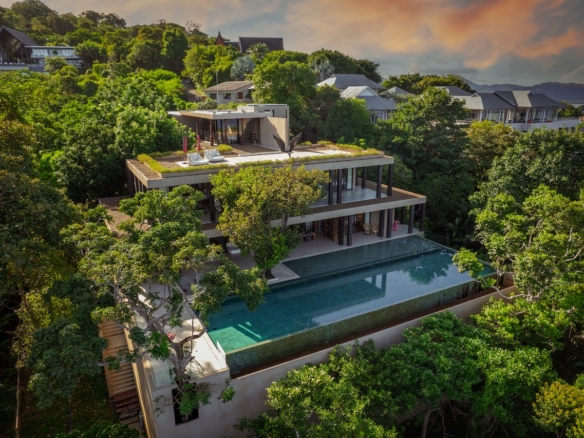
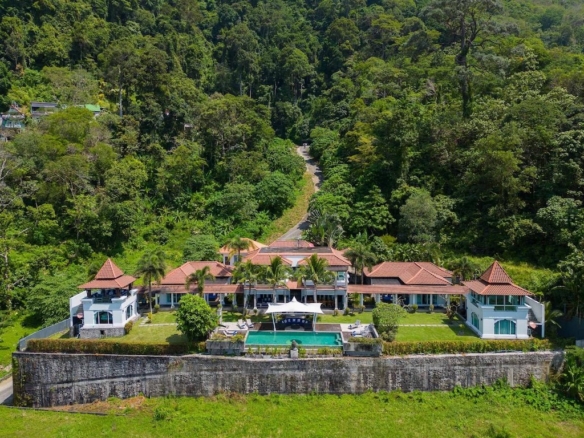
Koh Samui Villa for Rent: High-End Investment Potential
Luxury villas deliver the strongest returns in the Koh Samui Property Rental Market, combining rental income with capital appreciation. Net ROI ranges from 12-18% annually, comprised of gross rental yields between 6-12% and capital appreciation averaging 8-12% per year. Premium beachfront properties consistently achieve the higher end of this yield spectrum.
A typical 4-bedroom luxury villa valued at 25 million THB generates multiple revenue streams. Annual rental income reaches 1.8-2.5 million THB, representing 7-10% gross yield. Personal use value contributes another 500,000-800,000 THB annually in avoided accommodation costs. Capital appreciation adds 2-3 million THB annually at the 8-12% appreciation rate. Unlike Phuket’s price volatility, Koh Samui maintains controlled growth that supports sustainable value appreciation.
Maximum yields require strategic positioning and professional management. Properties achieving the highest returns share common characteristics: prime locations within 500 meters of quality beaches, modern amenities including infinity pools and outdoor entertainment areas, and seamless guest experiences delivered through professional management companies. Seasonal pricing strategies significantly impact returns, with peak season rates commanding 3-4 times low season pricing. Properties with wedding and event capabilities generate 20-30% higher annual revenues through these high-value bookings.
Koh Samui Condo for Rent: Urban Market Opportunities
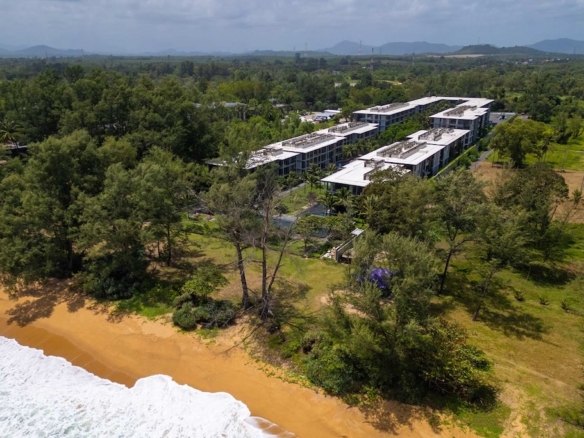
Condominiums offer more accessible entry points into the Koh Samui Property Rental Market while maintaining solid returns. Average rental yields for condos range from 6-8%, with properties in sought-after areas like Bo Phut, Choeng Mon, and Maret performing strongest. The median rent price for condos sits at THB 33,724 monthly, making them attractive for both tourist and long-term rental strategies.
Studio apartments command monthly rates of 10,000-20,000 THB, while one-bedroom condos range from 20,000-30,000 THB. Lower maintenance costs compared to villas enhance net returns. Condominiums provide the only freehold ownership option for foreign investors, eliminating leasehold concerns that affect villa investments.
Beachfront Properties: Premium Rental Categories
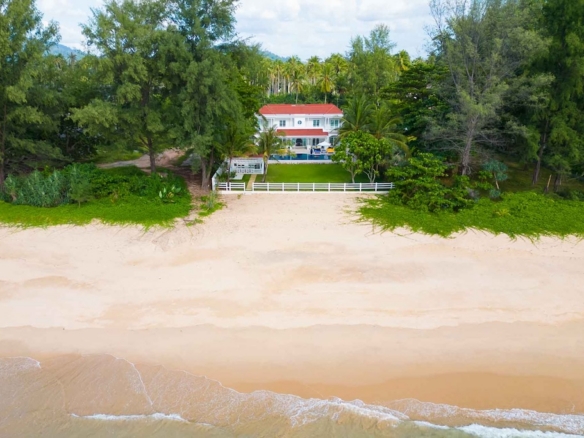
Beachfront villas command the highest nightly rates in the Gulf of Thailand. Standard pool villas generate THB 4,000-8,000 nightly, while luxury beachfront villas exceed THB 12,000 per night. Properties directly on the beach achieve yields of 8% or more depending on location and amenities. Beachfront positioning within 500 meters of quality beaches represents a critical factor in achieving maximum rental yields.
Nightly rates for premium beachfront estates start from approximately USD 1,000 and reach USD 10,000+ for multi-bedroom properties. These properties benefit from high demand during tourist seasons, creating lucrative short-term rental opportunities.
Gated Community Investments: Security and Amenities
Gated communities provide security infrastructure and managed amenities that attract long-term tenants and reduce operational burdens. Residents access community pools, fitness centers, and maintained common areas. These developments often include 24/7 security, professional management services, and consistent maintenance standards. Properties within gated communities appeal to families, retirees, and expatriates seeking stable, secure living arrangements in the long term rental Koh Samui segment.
Financial Analysis: Costs, Returns, and Pricing Strategy
Average Rental Prices by Property Type and Location in the Koh Samui Property Rental Market
Monthly rental rates vary significantly across property configurations and neighborhoods. One-bedroom apartments in city center locations command THB 27,552 monthly, while outside center positions drop to THB 13,975. Three-bedroom apartments in city center areas reach THB 60,000, compared to THB 46,125 in peripheral zones. Studio units start at THB 13,200 monthly, while expansive five-bedroom villas reach THB 321,400 per month.
For instance, modest houses with basic facilities range from THB 15,000 to THB 25,000 monthly in local neighborhoods. Upscale homes with private pools and modern furnishings command THB 60,000 to THB 100,000 monthly in desirable neighborhoods. High-end luxury villas with ocean views and top-tier amenities span THB 150,000 to THB 400,000 or more. The median sales price for three-bedroom villas sized between 250-350 square meters sits at THB 14.9 million.
Operating Costs and Budget Planning for Investors
A well-managed luxury four-bedroom villa requires comprehensive budget allocation beyond acquisition costs. Property management fees consume 15-20% of gross rental income, translating to THB 270,000-500,000+ annually. Dedicated villa staff salaries add THB 240,000-480,000 per year. Marketing and OTA commissions claim 5-10% of gross rental income, approximately THB 90,000-250,000+.
Utilities represent substantial variable costs. Electricity for luxury villas with heavy air conditioning usage ranges from THB 96,000 to THB 300,000+ annually at rates of THB 4.0-6.0 per kilowatt-hour. Water costs remain modest at THB 5,000-15,000 annually. Internet and cable services add THB 10,000-25,000 yearly. Pool maintenance and repairs demand THB 250,000-400,000 annually.
Correspondingly, insurance and taxes require attention. Hazard insurance for fire and natural disasters costs THB 15,000-50,000+ depending on coverage. Land and building tax at 0.02%-0.3% of government appraisal value typically amounts to THB 5,000-20,000 annually. Transaction costs including transfer fees, specific business tax, and stamp duty total approximately 6-6.3% of registered property value.
Koh Samui Nightly Rentals vs Long Term Rental Koh Samui: Revenue Comparison
Short-term rental strategies generate higher peaks but require careful cost analysis. A three-bedroom villa averages THB 5,000-6,500 nightly with 45-55% annual occupancy. Management costs consume 20-30% of revenue, with utilities, repairs, and vacancies significantly reducing net results. By comparison, long-term rentals for identical properties command THB 60,000-90,000 monthly with near-full occupancy year-round.
Net results often equalize despite gross revenue differences. Short-term rentals produce unstable income with high operational costs, while long-term arrangements deliver lower gross revenue but superior net outcomes due to predictable expenses and minimal vacancy risk. Financial reserves covering operating costs during weaker months form part of the investment model, not contingency planning.
Negotiation Tactics and Lease Structuring
Timing negotiations strategically yields substantial savings. Most expatriate renters save 10-25% on rent by timing discussions appropriately and using respectful strategies. Lease terms typically span one year, though landlords may sign longer agreements for higher rent. Starting property searches two months in advance for long-term rentals ensures adequate negotiation time.
Effective pricing strategies differentiate based on length of stay, reward longer bookings, and respond to actual competition rather than expectations. Short stays command premium rates, while longer stays stabilize cashflow. Flexibility in lease structuring wins over rigid positioning in the Koh Samui Property Rental Market.
Legal Framework and Operational Essentials for Rental Investment
Thai Rental Laws and Foreign Ownership Regulations
Foreign investors operate under Civil and Commercial Code sections 537 to 571, which permit property leases up to 30 years with identical rights as Thai nationals. Landlords renting three or more residential units must comply with 2025 Consumer Protection Board regulations governing professional rental operations.
Foreigners cannot own land freehold but may purchase condominiums under the Condominium Act, provided foreign ownership remains below 49% of total floor area. Villa investments require registered leasehold agreements or alternative legal structures. Leases exceeding three years demand Land Department registration to establish legally binding tenant rights.
Visa Requirements for Property Management
Property ownership does not automatically grant visa status. The 3 million THB property investment route allows annual renewable visa extensions, effectively enabling decade-long residency. Requirements include Foreign Exchange Transaction (FET) forms proving overseas fund transfers and eligible condominium purchases within foreign quota limits.
Rental Agreements: Investor Protection Clauses
Bilingual rental agreements protect assets from damages and non-payment. TM30 reporting mandates landlords notify immigration within 24 hours of foreign tenant arrivals, with non-compliance triggering fines and visa renewal complications.
Property Management Services and Maintenance Considerations
Professional managers handle short-term rental licensing, insurance coordination, government reporting, and Land Department documentation. Legal compliance eliminates operational surprises while ensuring smooth rental operations.
Tax Implications and Compliance Requirements in the Koh Samui Property Rental Market
Rental income generated in Thailand faces Thai personal income tax regardless of payment location. Foreign property owners must obtain Thai Tax Identification Numbers before filing. Progressive rates span 5-35% on net income, with a standard 30% deduction automatically applied to gross rental income.
Non-resident foreigners face 15% withholding tax at source. Filing personal tax returns enables refund claims when withholding exceeds actual liability. Properties generating 1 million THB gross rental income typically result in 48,500 THB tax liability, creating 101,500 THB refunds after 150,000 THB withholding.
Strategic Locations and Investment Hotspots on Koh Samui
Bophut: Premium Beachfront Rental Investment in the Koh Samui Property Rental Market
Bo Phut ranks among the most sought-after neighborhoods for Koh Samui Property for rent, with properties priced between 10-45 million THB. Fisherman’s Village draws tourists year-round with trendy dining, boutique shopping, and beachfront charm. Properties here command premium rates due to walkability, international restaurants, and strong rental demand. Beachfront apartments start at 95 square meters, while luxury villas reach 400 square meters with 8 bedrooms. Foreign freehold condos begin at 2.99 million THB, with sea-view studios commanding 6.03 million THB.
Chaweng: High-Demand Tourist Rental Zone
Chaweng delivers the highest rental yields in the Koh Samui Property Rental Market due to vibrant nightlife, proximity to the airport, and constant tourist traffic. Properties here achieve strong occupancy rates with consistent rental income. Prices range from 9-40 million THB, while Chaweng Noi commands 20-90 million THB for premium sea-view villas.
Maenam and Lamai: Emerging Investor Opportunities
Maenam offers peaceful surroundings with properties priced 8-30 million THB, providing excellent value compared to premium northeast areas. Lamai leads villa sales with 79.82% take-up rates, followed by Chaweng-Bophut at 58.96%. Lamai’s wellness focus and natural beauty attract growing demand.
Infrastructure Development and Future Value Appreciation
Samui Airport expansion targets 2027 completion, with increasing direct international flights closing the accessibility gap. Infrastructure improvements historically trigger property value surges. Unlike Phuket’s price ceilings, Koh Samui villa for rent properties maintain higher headroom for capital growth.
Conclusion
The Koh Samui Property Rental Market presents compelling opportunities for smart investors in 2026, whether you choose high-yield villas or accessible condominiums. Net returns of 6-8% combined with capital appreciation create sustainable wealth-building pathways, especially in strategic locations like Bophut, Chaweng, and emerging areas such as Maenam.
Success requires thorough preparation. Research legal requirements, calculate operating costs accurately, and choose property types aligned with your investment strategy. Infrastructure improvements and growing digital nomad demand support long-term value appreciation. Overall, investors who combine market knowledge with professional management position themselves for consistent returns in Thailand’s most balanced island property market.
Ready to start your Koh Samui property investment search, visit our homepage here
FAQs
Q1. What rental yields can investors expect from properties in Koh Samui? Well-managed properties in Koh Samui typically generate net returns of 6-8%. Luxury villas can achieve gross rental yields ranging from 7% to 10%, with net yields settling at 5% to 8% after accounting for management fees, maintenance, and taxes. The highest-performing sea-view villas may deliver annual ROI of 14-16%, while condominiums generally offer yields of 6-8% depending on location and amenities.
Q2. How do short-term and long-term rental strategies compare financially? Short-term rentals generate higher daily rates (5,000-6,500 THB per night during high season) but typically achieve only 45-55% annual occupancy with management costs consuming 20-30% of revenue. Long-term rentals for the same property command 60,000-90,000 THB monthly with near-full year-round occupancy. Many successful investors use a hybrid approach, offering short-term rentals during peak seasons and switching to monthly rentals during shoulder periods to maximize occupancy and minimize operational costs.
Q3. Can foreign investors legally own rental properties in Koh Samui? Foreign investors can purchase condominiums under freehold ownership, provided foreign ownership remains below 49% of the building’s total floor area. For villas, foreigners cannot own land freehold but may invest through registered leasehold agreements of up to 30 years or alternative legal structures. Property leases exceeding three years must be registered with the Land Department to establish legally binding rights.
Q4. What are the main operating costs for rental properties in Koh Samui? For a luxury four-bedroom villa, expect property management fees of 15-20% of gross rental income (270,000-500,000 THB annually), staff salaries of 240,000-480,000 THB yearly, and marketing commissions of 5-10% of gross income. Utilities including electricity can range from 96,000-300,000 THB annually, pool maintenance costs 250,000-400,000 THB, and insurance, taxes, and other expenses add approximately 20,000-70,000 THB per year.
Q5. Which locations in Koh Samui offer the best investment potential? Bophut offers premium beachfront opportunities with properties priced 10-45 million THB and strong year-round demand from Fisherman’s Village tourism. Chaweng delivers the highest rental yields due to vibrant nightlife and proximity to the airport. Emerging areas like Maenam provide excellent value at 8-30 million THB, while Lamai leads villa sales with nearly 80% take-up rates and growing wellness tourism demand.